Register
This 90-minute session will highlight the urgent need for universal message framing that HPV vaccination is cancer prevention. Civil society organizations from Colombia, India, Kenya, and Nepal will share real-life examples of how they activated trusted messengers—from physicians and community health promoters to educators and health insurers—to improve vaccine acceptance and uptake among parents, healthcare workers, and policymakers.
The session will include:
Why cancer prevention framing matters (Anu Agrawal, American Cancer Society)
HPV burden and the strategic importance of framing (Partha Basu, WHO IARC)
How CSOs activate trusted messengers (Alexander Wright, Cancer Research UK)
Country Case Studies:
• India – Reaching physicians via medical societies (Sutapa Biswas, Cancer Foundation of India)
• Kenya – Engaging community health promoters through primary health centers (Benda Kithaka, KILELE Health Association)
• Nepal – Reaching marginalized girls through schools (Pema Lhaki, Nepal Fertility Care Center)
• Colombia – Connecting with parents via health insurers and the Ministry of Health (Debbie Martinez, American Cancer Society / Behavioral Methods LLC)
The National Cancer Institute Center for Global Health’s (NCI/CGH) key goals as outlined in its2021-2025 Strategic Plan are to advance global cancer research and coordinate NCI engagement in global cancer control. NCI/CGH recognizes the importance of working in collaboration with researchers and research funding partners to track, share, and encourage utilization of these data, to drive global cancer research and control action.
Following on overview of each of these mapping efforts, there will be a case example of how data from these resources have been utilized to inform action and drive collaboration in global cancer research and control. The last portion of the session will be dedicated to a hands-on walk through of the resources, and an opportunity for participants to ask the experts about how to utilize these tools to develop research questions, seek training opportunities, identify funding sources, find potential collaborating partners, and more.
S. Nabeel Zafar, MD, MPH, Assistant Professor Division of Surgical Oncology, Department of Surgery, University of Wisconsin School of Medicine and Public Health, Lead, Global Oncology Program, University of Wisconsin Carbone Cancer Center, US
Michael Cheetham, BA, Senior Science Policy Analyst, Office of Portfolio Analysis, DPCPSI/OD, National Institutes of Health, US
Lynne Davies, PhD, Operations Manager, International Cancer Research Partnership, UK
Elise Garton, M.Sc., Health Specialist, Center for Global Health, National Cancer Institute, National Institutes of Health, US
Kalina Duncan, DrPH, MPH, Branch Chief, Partnerships and Dissemination Branch, Center for Global Health, National Cancer Institute, National Institutes of Health, US
Anna Laura Ross, PhD, Unit Head, Emerging Technologies, Research Prioritization and Support, Science Division, World Health Organization, Switzerland
Panagiota Mitrou, PhD, Director of Research and Innovation, World Cancer Research Fund International, UK
Moderator: Mrs. Karen Khoury Gemayel – PR and External Affairs Manager
Children’s Cancer Center of Lebanon (CCCL)
9:10 – 9:25
Inequities in Cancer Control between and Within Countries
Speaker: Dr. André Ilbawi – Technical Officer for Cancer Control World Health Organization (WHO)
9:30- 9:40
Non-Profits’ Role in Cultivating Cross Regional Relationships for Cancer Control
Speaker: Mrs. Hana Chaar Choueib – General Manager, Children’s Cancer Center of Lebanon (CCCL) Board Member, Union for International Cancer Control (UICC)
9:40 – 9:45 Break
9:45 – 10:00
Difficulties in Pediatric Cancer Treatment during a Pandemic and Economic Crisis
Speaker: Dr. Nada Mohammad Mahdi Sbeiti – Pediatric &Adolescent Hematology/Oncologist
10:05- 10: 20
International Society of Pediatric Oncology (SIOP)’s Partnership Role in Supporting Childhood Cancer Improvements in the MENA Region
Speaker: Prof Kathy Pritchard-Jones – President
International Society of Pediatric Oncology (SIOP) UK
10:20 – 10:30
Strengthening Ties and Better Contribution to UNSDG3 and Agenda 2030
Speaker: Mrs. Deenah Fakhoury – Executive Director, UN Global Compact Network Lebanon
10:30 – 10:35
Surviving Childhood Cancer
Speaker: Ms. Janine Korab – Cancer Control Advocate Pharma Regional Lead
10:35 – 11:00
Q&A and Closing Notes
Organized by the Children’s Cancer Center of Lebanon (CCCL): Mr. Imad El Hajje and Mrs. Aya Sophia Khairallah
Cancer after Covid: building a more resilient system for the future
This session is both a face to face and virtual event. If you would like to join in person, please click on the in person event link.
Even before the pandemic, health systems around the world were under significant pressure. Now, we’re facing even greater challenges with a backlog of undiagnosed and untreated cancer cases.
Join Roche and a distinguished group of experts to discuss pragmatic solutions and to explore how advances made to stop COVID-19 could also make a real difference for cancer patients and be used to build stronger, more resilient cancer services for the future.
Time: 6:30 – 9:00 p.m. Location: Royal College of Physicians, 11 St Andrews Place, Regent’s Park, London NW1 4LE
Guests are welcome to arrive at 6:30 p.m. for networking and the panel session will begin at 7:00 p.m.


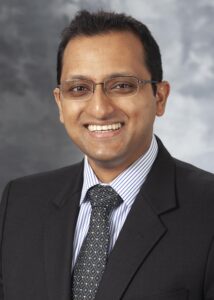 S. Nabeel Zafar, MD, MPH, Assistant Professor Division of Surgical Oncology, Department of Surgery, University of Wisconsin School of Medicine and Public Health, Lead, Global Oncology Program, University of Wisconsin Carbone Cancer Center, US
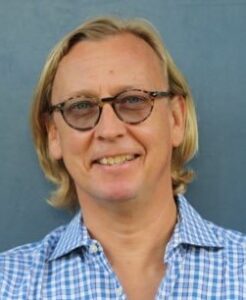 Michael Cheetham, BA, Senior Science Policy Analyst, Office of Portfolio Analysis, DPCPSI/OD, National Institutes of Health, US
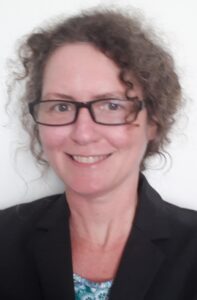 Lynne Davies, PhD, Operations Manager, International Cancer Research Partnership, UK
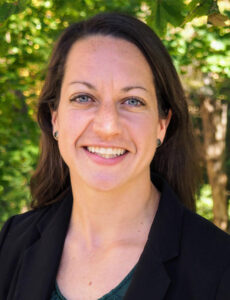 Elise Garton, M.Sc., Health Specialist, Center for Global Health, National Cancer Institute, National Institutes of Health, US
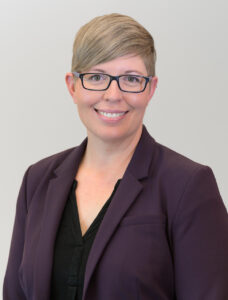 Kalina Duncan, DrPH, MPH, Branch Chief, Partnerships and Dissemination Branch, Center for Global Health, National Cancer Institute, National Institutes of Health, US
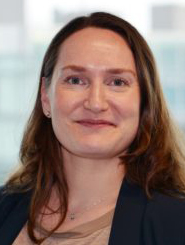 Anna Laura Ross, PhD, Unit Head, Emerging Technologies, Research Prioritization and Support, Science Division, World Health Organization, Switzerland
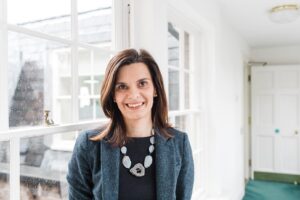 Panagiota Mitrou, PhD, Director of Research and Innovation, World Cancer Research Fund International, UK

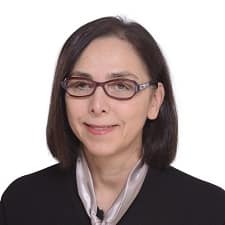 Dr. Fethiye Gülin Gedik, WHO EMRO representative
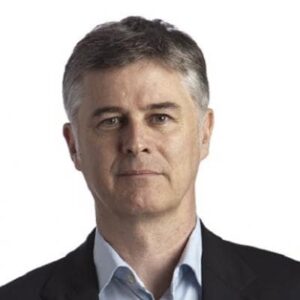 Professor James Buchan, Senior Fellow at the Health Foundation
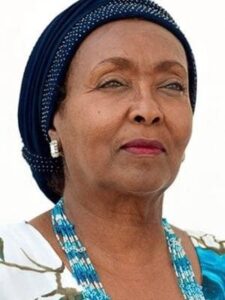 Edna Adan Ismail, nurse midwife, activist, and first female Foreign Minister of Somaliland
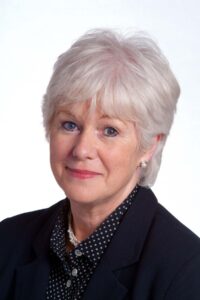 Ann Keen, former Minister of Health, UK
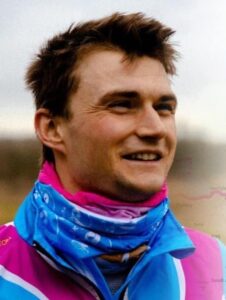 Luke Grenfell-Shaw, cancer survivor and Bristol2Beijing cyclist